
The Fete of Wigan: Who Turns Up, and Who Never Hears
I took Thomas to the Fete of Wigan and came away with one question: the message reaches people who already care. How do we reach the ones who don't?
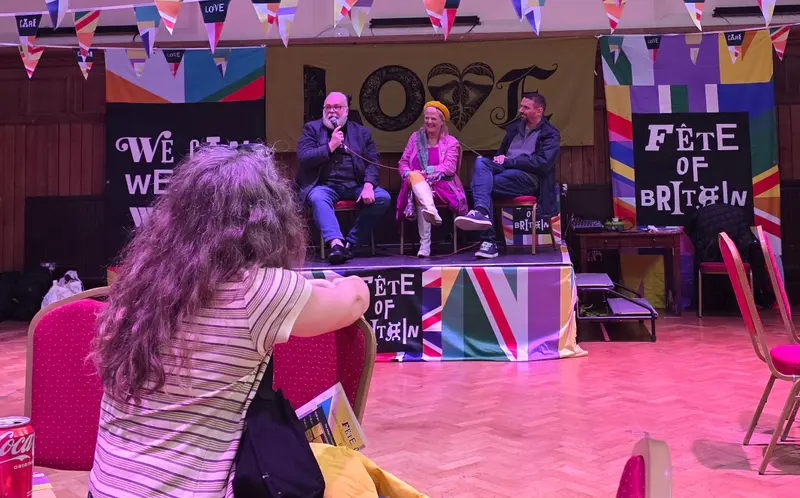
I took Thomas to the Fete of Wigan today as my wife and Dorothy was already there. I am glad we went. I also came away with a question I have not been able to put down since: everyone in that room already cared. What about the people who don't?
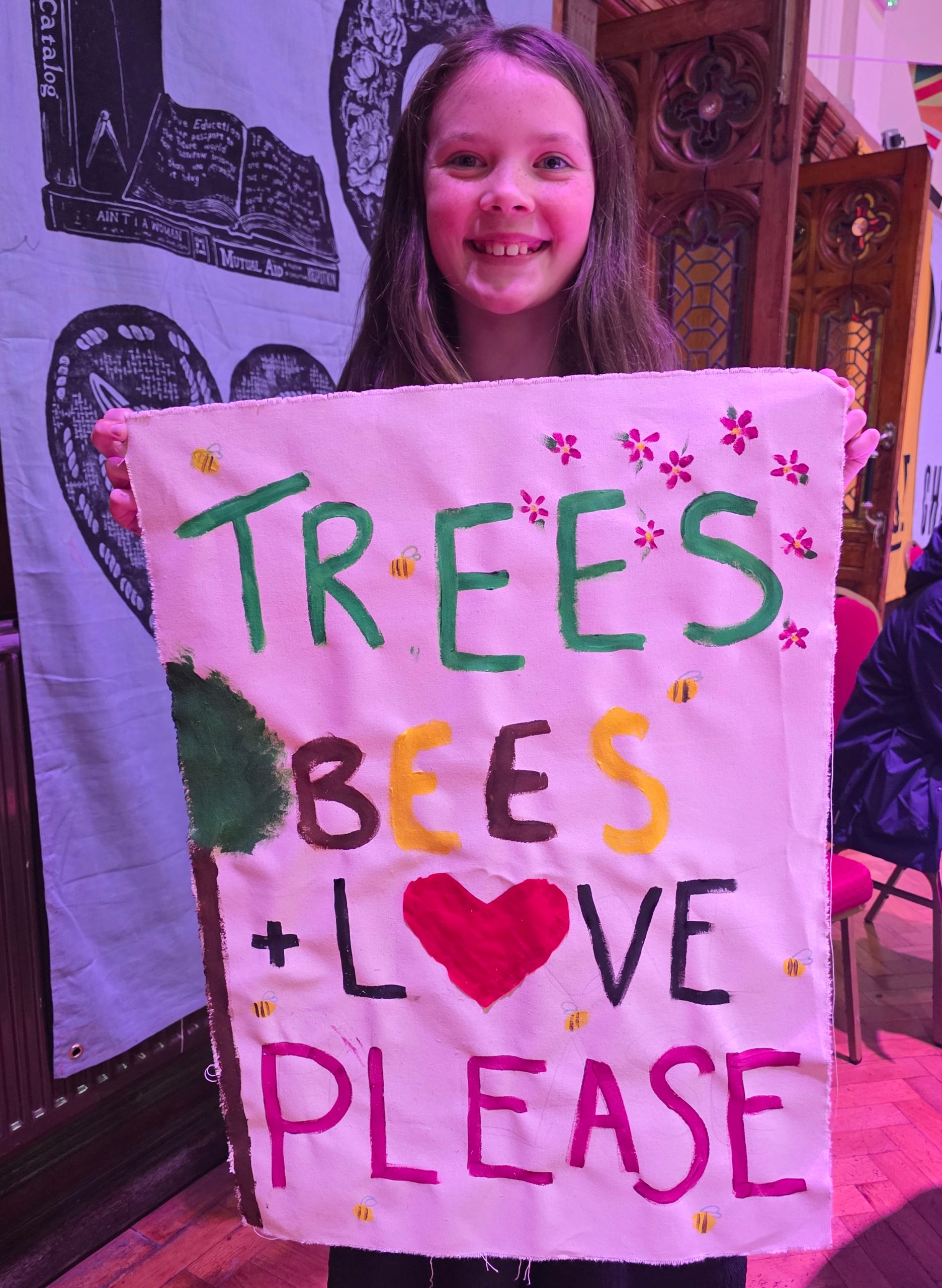
What the Fete of Wigan is actually for
The Fete of Wigan is a day about the town. What it is now, what it could be, and the things standing in the way. It is not a council meeting and it is not a party rally. It is the sort of event that gets filed under "community" and quietly skipped by most of the town, which is the whole problem in one sentence.
I'm not born in Wigan but Wigan is my home.
Because the fate of Wigan will not be decided in the room where the fete happens. It will be decided by whether the people who never turn up to anything ever find out what is at stake, and whether anyone bothers to go and ask them.
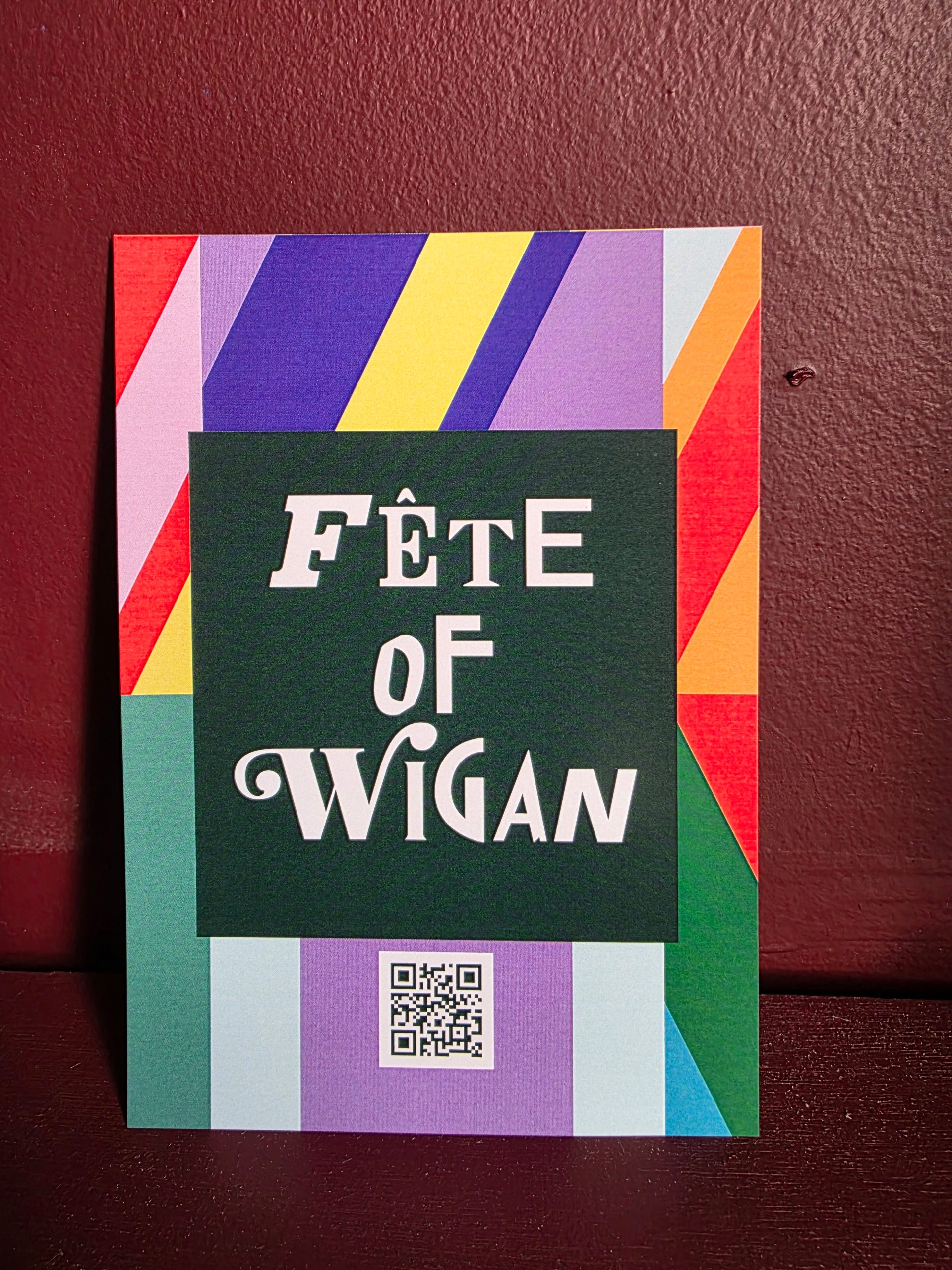
Why a Wigan fete is a countrywide question
Wigan is a town with coal, cotton and rugby league in its bones, and the things that will shape its next twenty years are the same things shaping the next twenty years in Barnsley, Hartlepool, Newport and a hundred other places. Whether the high street has a reason to exist. Whether the buses run after six. Whether there are jobs that pay enough to keep your kids nearby. Whether the town's history is treated as an asset or a museum exhibit.
That is the countrywide part. Westminster sets the budget; the town decides whether the money turns into anything real. When a place works out how to keep a market hall open, protect a bus route or get a youth club back on its feet, that is a template another town can copy. When it does not, the failure is a warning nobody reads until it is their turn.
None of that happens without people who care turning up, and staying.
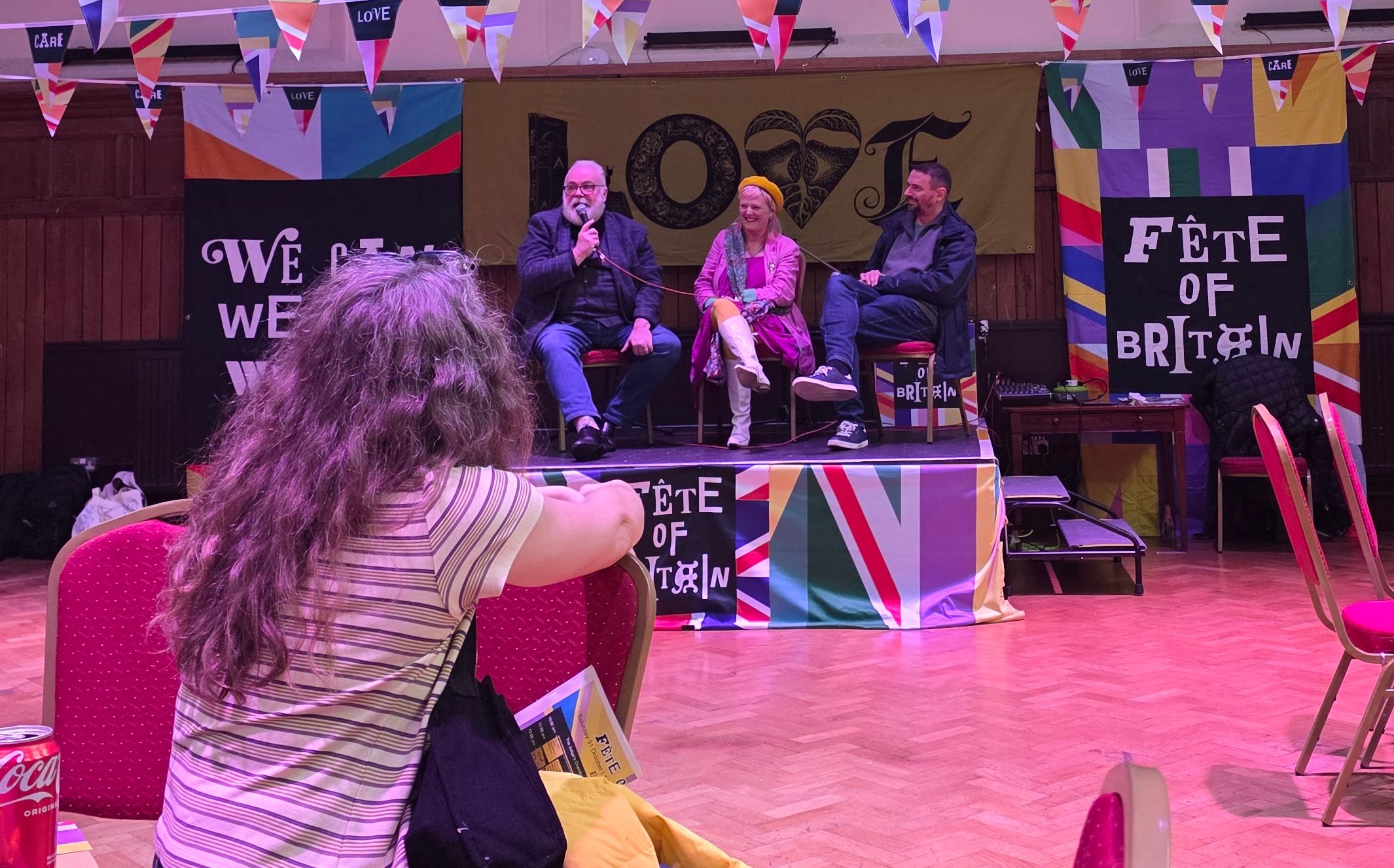
The converted are already in the room
My honest take from the Fete of Wigan is this: the message is landing with the people who already agree. They come, they nod, they take a leaflet, they join the mailing list. The people who most need to hear it are at work, or at home with a toddler, or on a shift, or simply convinced that nothing they do changes anything.
What "don't care" usually means
I do not think most of them genuinely don't care. When someone says they are not interested in the town's future, they usually mean one of these:
I have been asked before and nothing happened.
I do not have the time, and the meeting is at seven when I am putting the kids to bed.
It is not about me. Nobody at that event looked like me or lived on my street.
I do not understand what is actually being proposed, and I am not going to say that out loud in a room full of people who clearly do.
None of those are apathy. They are barriers, and every one of them can be moved. There is a smaller group who genuinely do not care and no leaflet will fix that. Fine. Aim at the moveable ones.
How to get the message to the people who aren't in the room
This is the part I have been chewing on since we got home. A few things that I think would work, and one or two I have seen fail.
Go where people already are. School gates at three, junior football touchlines on Sunday morning, the barbers on a Saturday, the queue at the chippy, the gym at six, the golf club. Not a community centre on a wet Tuesday with three people and a trestle table.
Bring children. Thomas is the reason I ended up in four conversations with people I would never otherwise have spoken to. Kids break the ice, and they signal that this is for families rather than people with a spare evening and a folder.
Put food on. Free food changes the guest list more than any poster ever will.
Make one ask. Not five. "This bus route" or "this youth club", not "the regeneration strategy". People can hold one thing in their head while a child hangs off their arm.
Say what changes in their week. Bin collections, potholes, the timetable, school places. Placemaking means nothing at the school gate.
Give people a job, not a survey. Handing out leaflets, stacking chairs, running the raffle, sticking a dot on a map


Join the conversation
Have a thought to share? Leave the first reply below.